
Facades
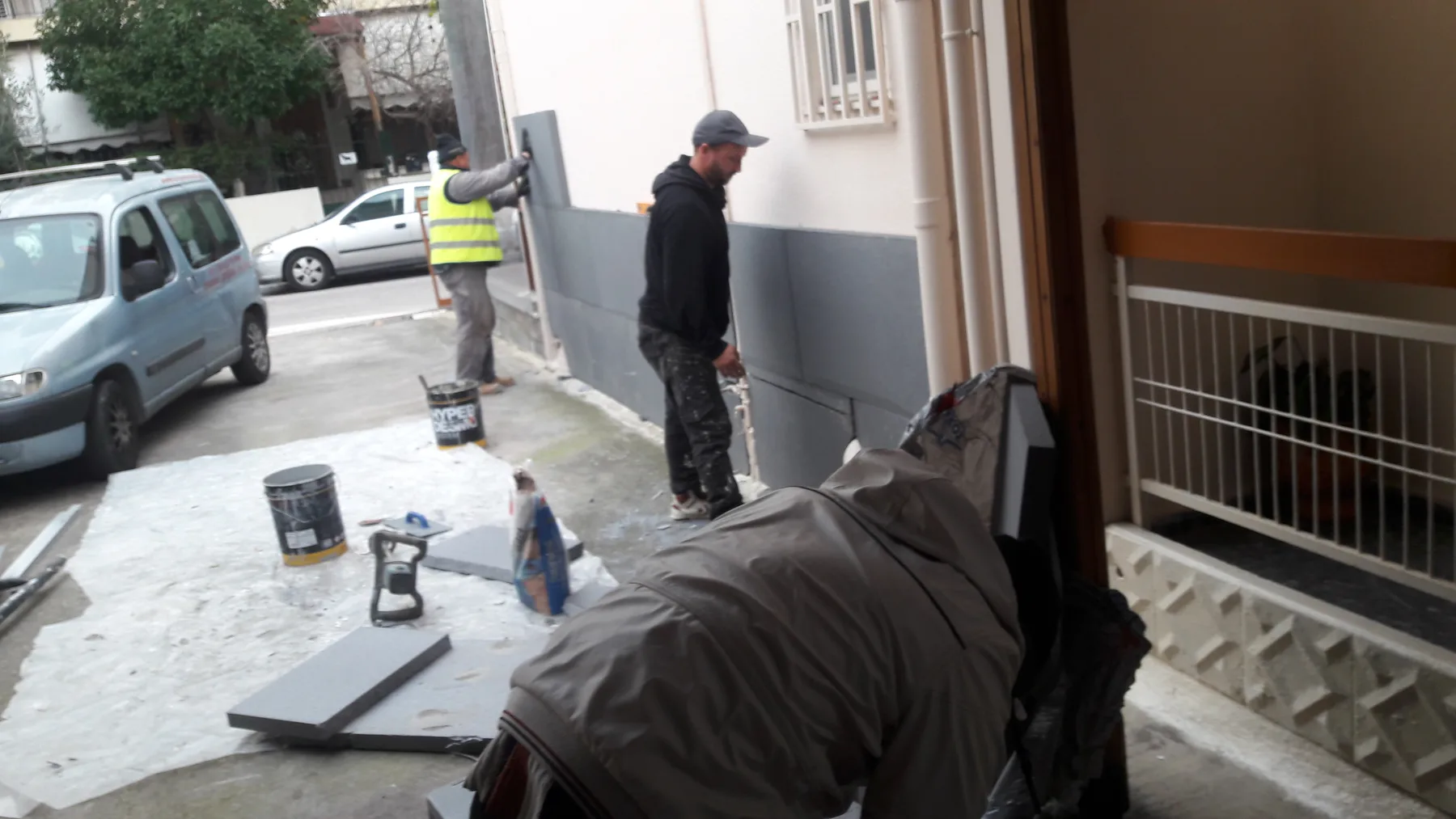
External thermal insulation facade
A continuous external envelope that reduces thermal bridges, protects masonry and improves the building appearance.
View facade insulation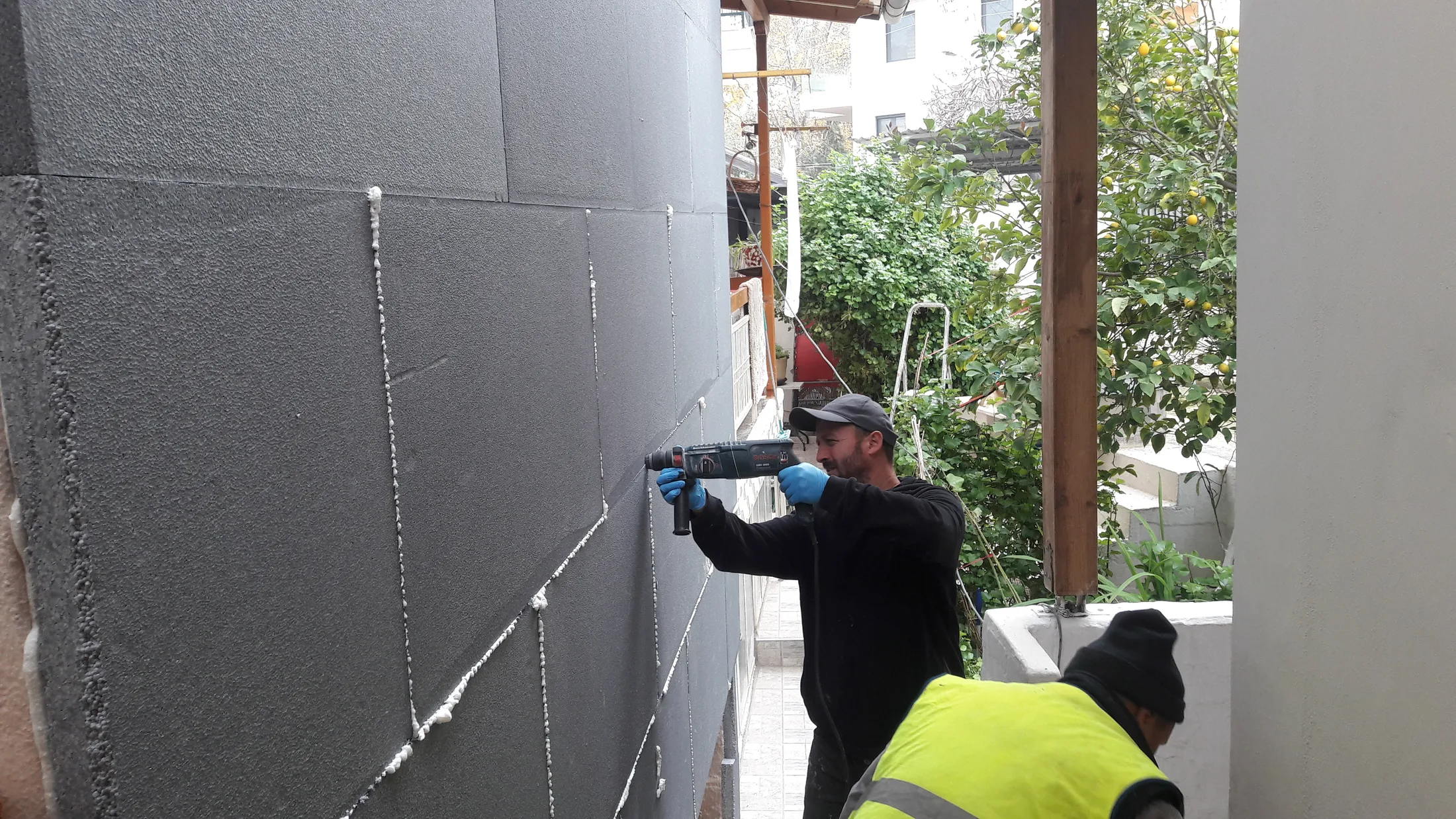
Ergomonosi applies facade and roof thermal insulation systems with certified materials, qualified crews and technical sequencing that protects the envelope as well as the energy performance of the property.
Thermal insulation is selected after the building use, roof condition, facade exposure, moisture risk and required U-value are understood. The result should reduce energy demand, improve indoor comfort and protect the construction over time.
A continuous external envelope that reduces thermal bridges, protects masonry and improves the building appearance.
View facade insulation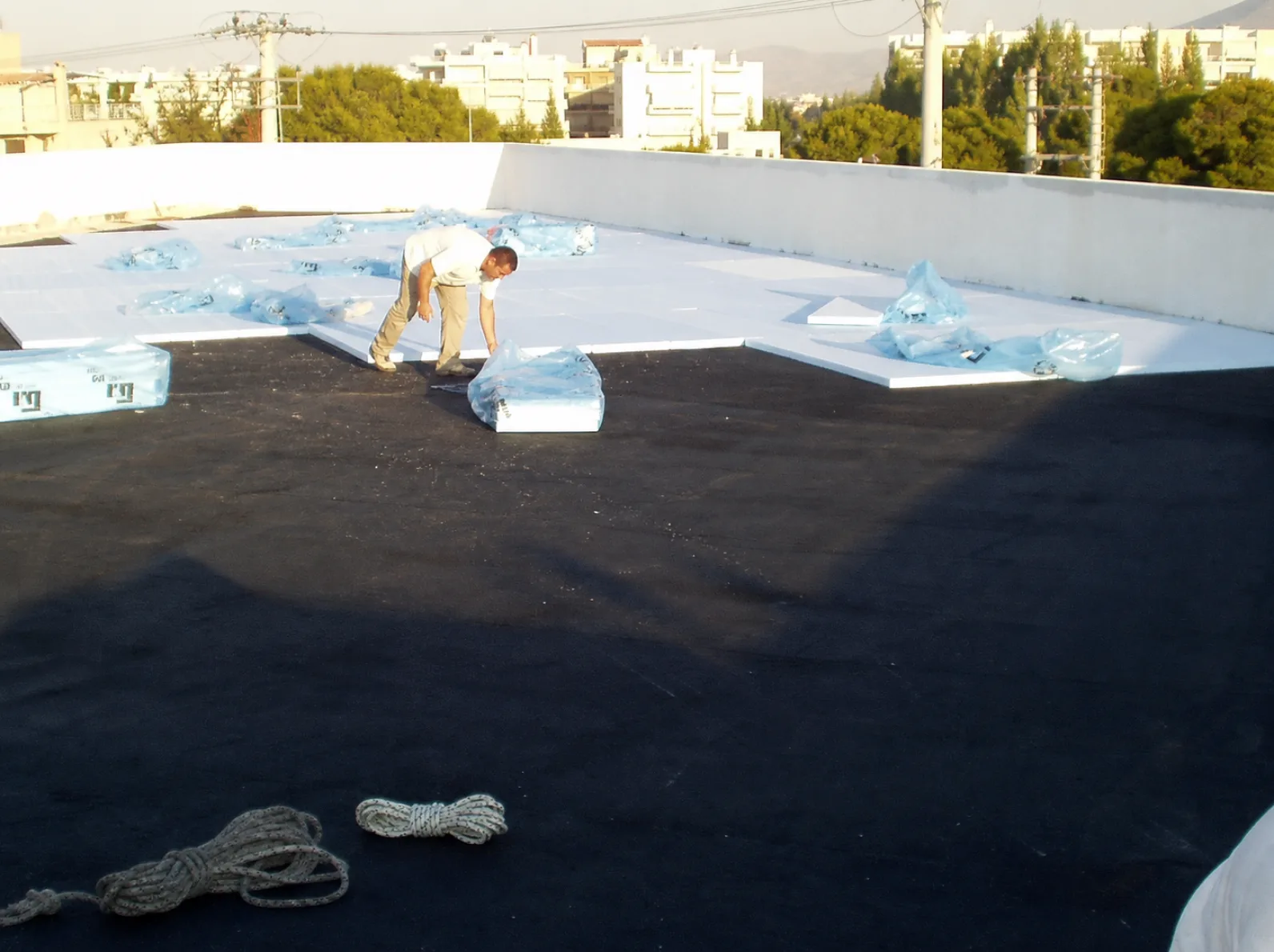
A proven roof build-up where waterproofing is the final exposed layer above vapor control, insulation and slopes.
View conventional roof system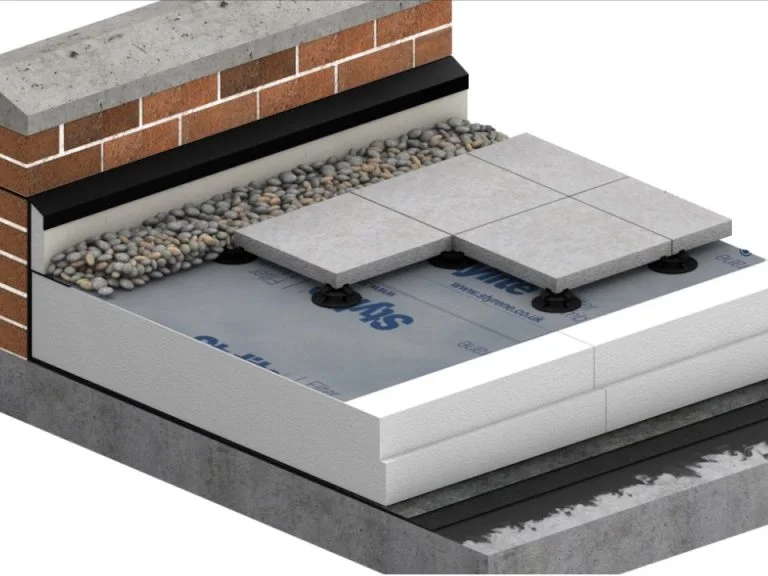
A roof solution where the insulation protects the waterproofing membrane from thermal stress, UV and mechanical wear.
View inverted roof systemHeat loss often appears through roofs, facades, thermal bridges, poorly protected waterproofing layers and aged build-ups. Ergomonosi studies the substrate and chooses compatible layers so insulation, waterproofing and slope formation work together.
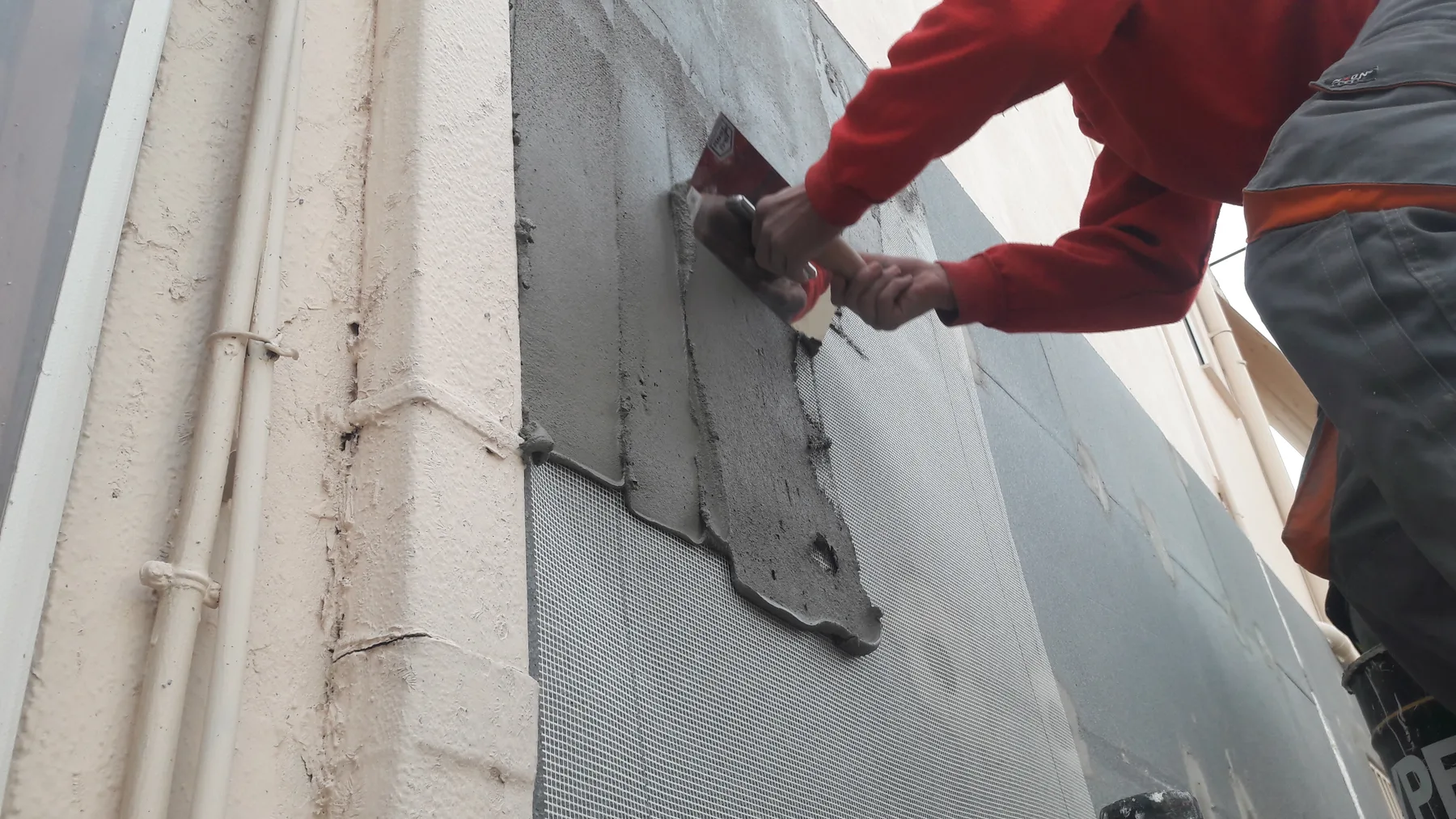
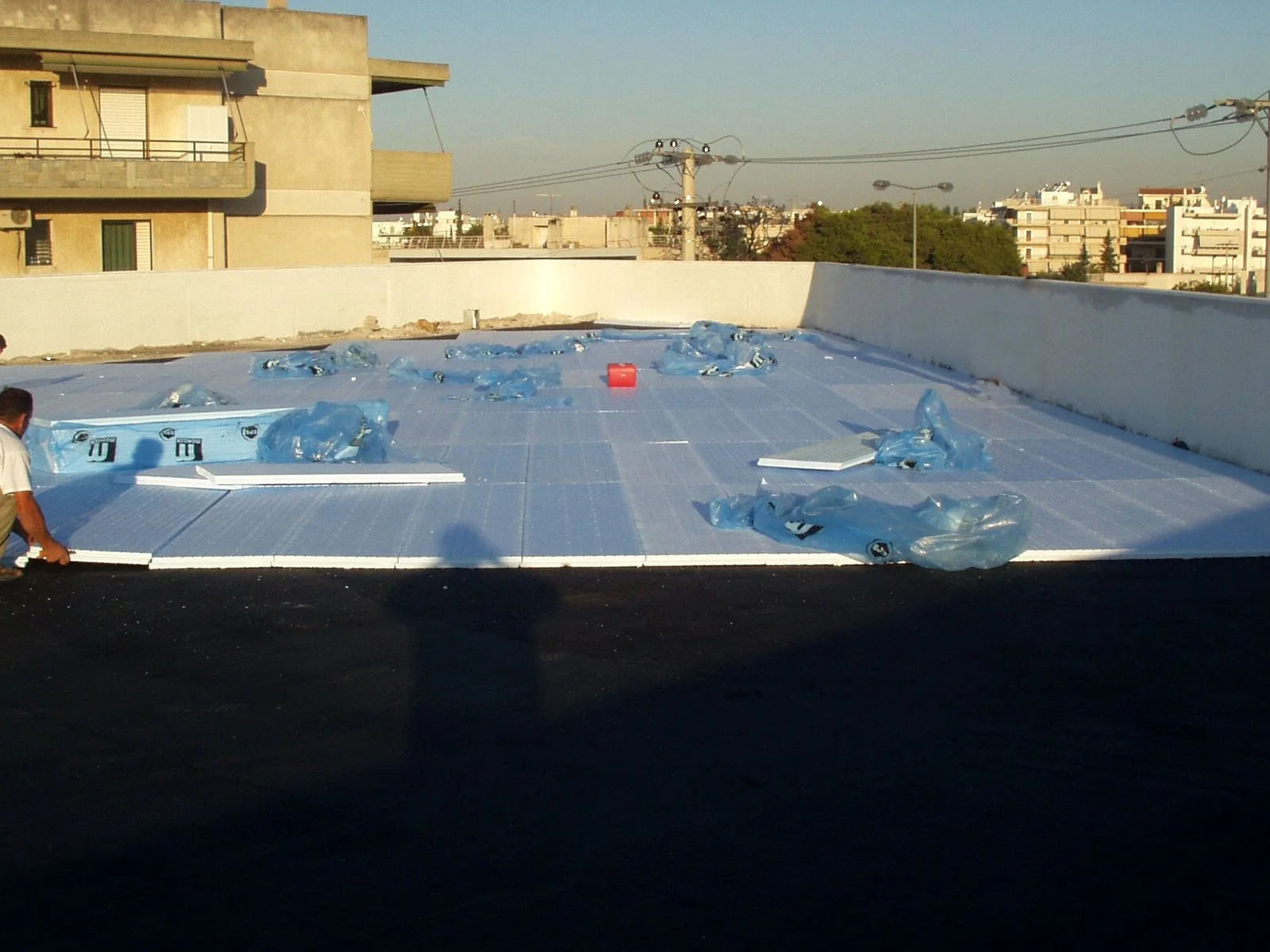
A correct thermal insulation system improves the daily climate of the building while reducing long-term stress on facades, roofs and waterproofing layers.
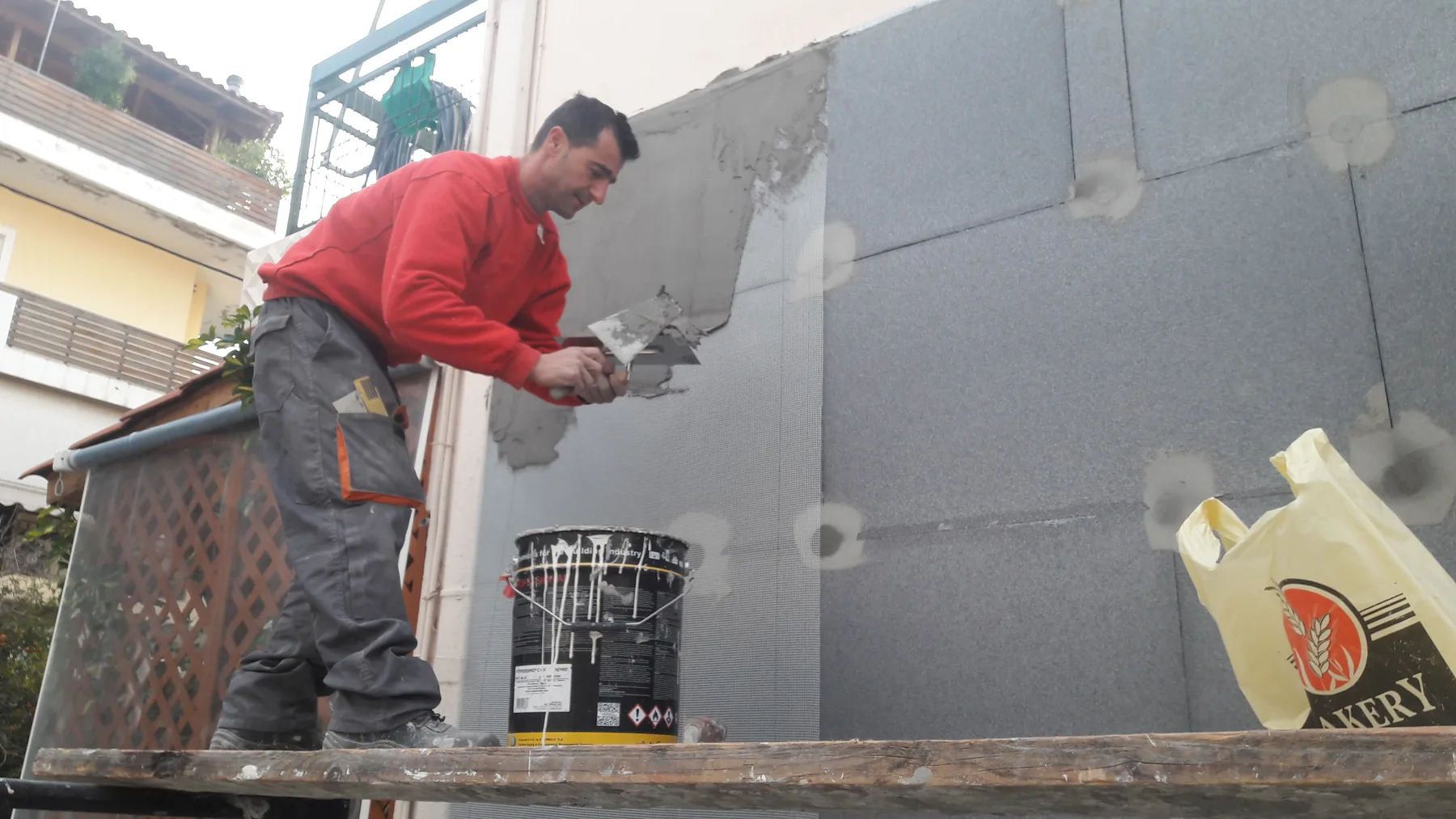
The facade system improves the vertical envelope and architectural finish. Conventional roof insulation is a familiar roof build-up with waterproofing as the final layer. Inverted roof insulation protects the waterproofing under insulation and ballast, making it strong for exposed and maintainable roofs.
Best when the building needs exterior energy upgrade, thermal bridge reduction and a renewed facade.
Useful for new and existing roofs where the final waterproofing layer remains accessible.
Chosen when the waterproofing layer should be protected by insulation and a finishing load.
These answers frame the first discussion. The final recommendation follows inspection of the building, roof, facade and existing layers.
It depends on the envelope surface, existing condition, moisture risk, use of the space and target energy performance. Facades, conventional roofs and inverted roofs solve different technical problems.
Yes, roof thermal insulation must be coordinated with waterproofing. The layer order changes between conventional and inverted systems, but water protection remains critical.
It reduces thermal bridges through the facade, improves winter and summer comfort, protects masonry and can renew the building appearance.
In an inverted roof, the insulation protects the waterproofing membrane from temperature extremes, UV exposure and mechanical stress, which can extend the system life.
Send the building type, roof or facade condition and any visible moisture issues. Ergomonosi will guide you toward the right inspection and system proposal.