
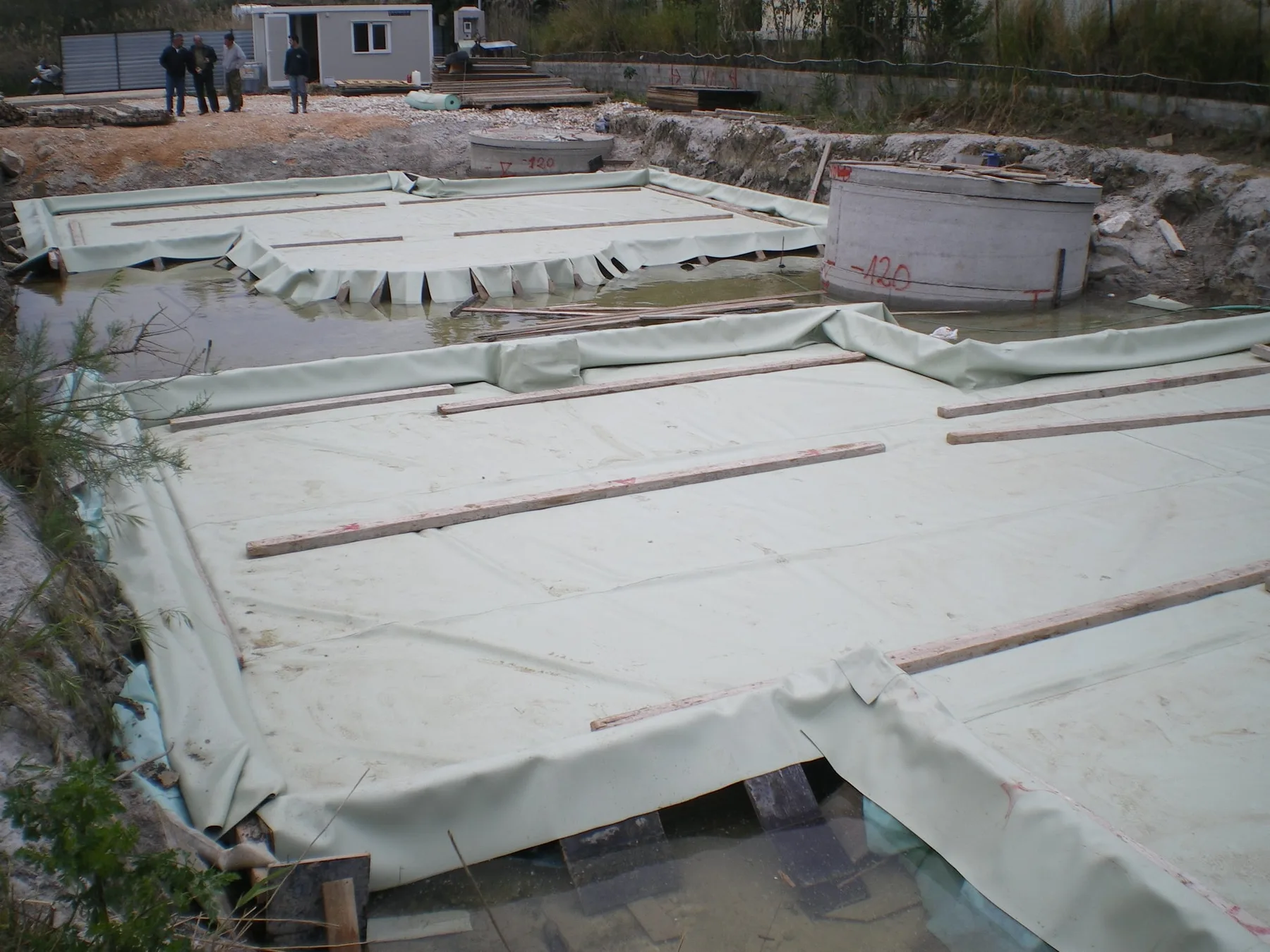
Basement waterproofing
Basement tanking for underground water pressure control
Basement tanking creates continuous protection across floors and walls so underground spaces can resist dampness, water ingress and hydrostatic pressure as one system.
Problem
When water pushes through soil and walls
In basements, ramps, tanks and low-level spaces, water rarely behaves like a single visible leak. The path of moisture must be diagnosed and protected with a continuous waterproofing system.
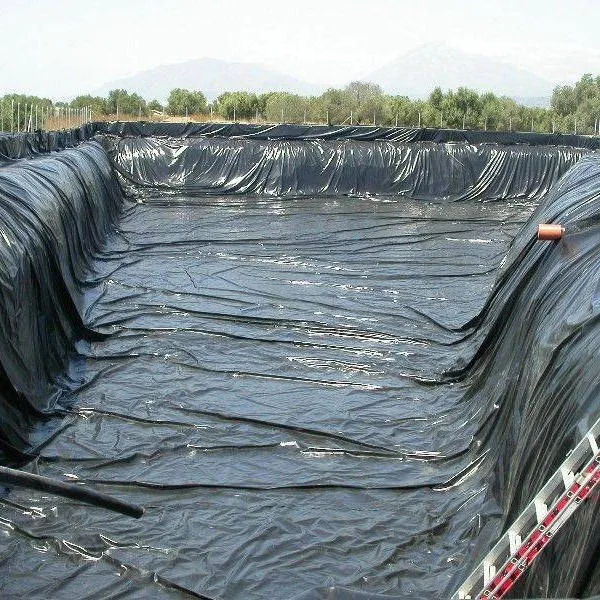
Where it is usedResidential basementsFor storage areas, plant rooms, parking and auxiliary spaces affected by dampness or ingress. Tanks and pitsWhere a continuous waterproof surface is required across floors, corners and vertical areas. Technical roomsFor professional and public projects where moisture affects operation and safety.
Underground spaces that need full protection
Basement tanking is used when a space has to behave like a closed vessel against water from the ground.
SystemReduced ingressLimits water paths through floors, walls, corners and penetrations. Usable spaceMakes the basement more suitable for storage, equipment or everyday use. Clear proposalThe technical method, VAT-inclusive cost and guarantee are defined clearly.
Continuity, detailing and the right substrate
The solution may include substrate repair, waterproof mortars, liquid-applied layers, tapes at joints and careful protection before final finishes.
Process
From assessment to protected surface
Basement tanking requires a controlled sequence and careful detail checks before the space is closed.
- DiagnosisWe record dampness, ingress, water level and pressure points.
- PreparationWeak substrate, corners and penetrations are repaired.
- ApplicationA continuous waterproofing system is formed across floor and walls.
- ChecksThe project is delivered with use guidance, maintenance notes and written guarantee.
FAQ
Basement tanking FAQ
These answers help frame the first technical discussion for underground spaces.
Is tanking applied from inside or outside?
It depends on access, construction and the water path. When external access is not available, an internal solution may be considered with special care for layer continuity.
Can it be applied in an old basement?
Yes, if the substrate is checked and prepared properly. Weak areas, cracks and penetrations must be treated before waterproofing.